TxDOT's historic preservation process (Section 106)
Training
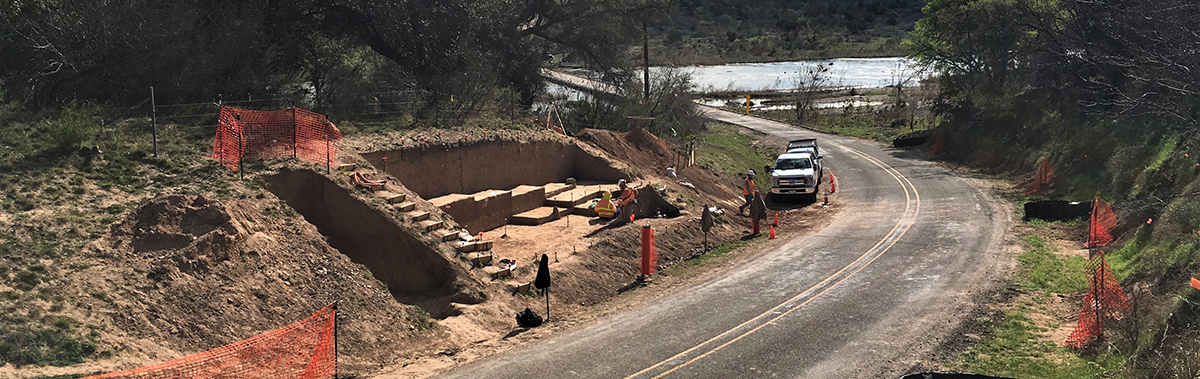
Every year, TxDOT plans hundreds of transportation projects across the state. Did you know that you have a role in the planning process? Your input about historic and archeological properties in your community can help shape the final design.
This training explains TxDOT’s historic preservation process and will help you advocate for significant places in your community that may be impacted by TxDOT projects. Each webinar introduces you to a new preservation topic and explains how TxDOT complies with historic preservation laws. Watch all the videos or select a single topic to explore. Supplemental resources provide a chance to dive deeper. After completing the training, you will understand how TxDOT protects cultural resources and how you can become an active preservation partner. Your voice matters!
Download the companion guide to this training.
Webinar 1: TxDOT’s commitment to historic preservation
This is the first of seven webinars about historic preservation at TxDOT. Our goal with this series is to provide you with all the information you need to become an informed participant in the historic preservation review process.
Webinar 2: Managing cultural resources efficiently
This webinar includes why TxDOT uses legal agreements in the preservation process and how these tools help us work through the historic preservation process efficiently and consistently.
Webinar 3: Section 106- TxDOT’s four - step process
In the third webinar of this series, you will dive into some of the details about our four-step process. By the end, you’ll know more about how we make decisions and how you can be involved each step of the way.
Webinar 4: How to get involved - consulting parties and the public
In this webinar, we’ll review the formal role of a consulting party and other, less formal ways to participate in TxDOT’s Section 106 process. By the end of the webinar, you’ll know exactly how you can get involved.
Webinar 5: Area of potential effect - where do we look?
The Area of Potential Effect, or APE, covers the area where a proposed project could change or alter cultural resources such as archeological sites or historic buildings and bridges. Learn more about the APE in this webinar.
Webinar 6: Cultural resource survey - searching for historical and archeological resources
In this webinar, you will see how TxDOT finds historical and archeological resources in our project areas. By the end of the webinar you’ll know how these surveys guide TxDOT’s decisions on projects.
Webinar 6 resources
Webinar 7: Working together to preserve history through mitigation
In the last of the webinar series on TxDOT’s historic preservation process, you will learn about mitigation and how TxDOT projects benefit public history.