Improved tracking of bridge follow-up actions
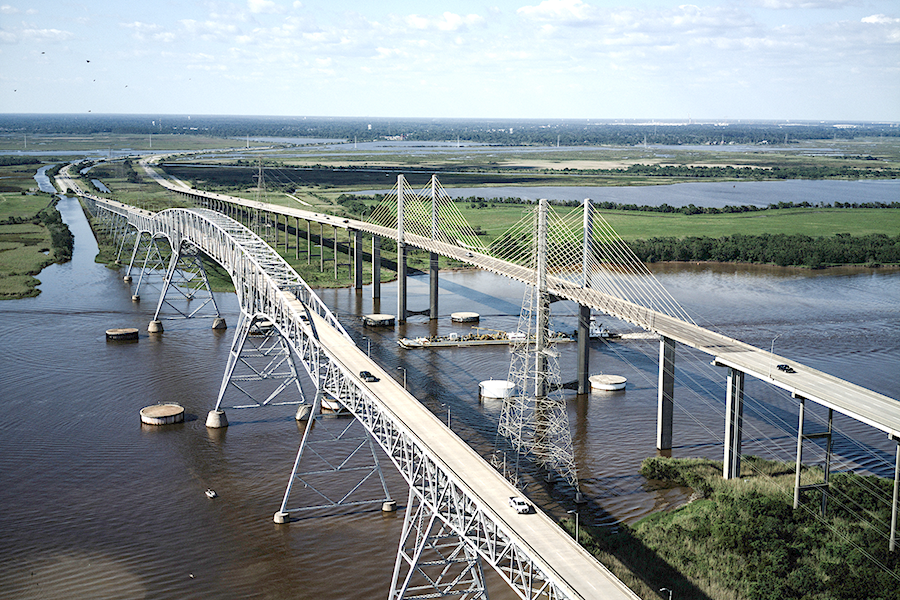
Reducing and even eliminating past-due bridge follow-up actions (FUAs) requires effective collaboration, coordination, and good data management. TxDOT districts can track the status of FUAs efficiently using a centralized data dashboard that updates automatically to show bridge maintenance assignments in real time. Custom views eliminate duplicative efforts by filtering out work already scheduled to be done by contractors, so maintenance crews see only the work assigned to them.
Explore TxDOT's Innovation CatalogChallenge
One of TxDOT's top priorities is maintaining a safe system for the traveling public. This goal requires continuously improving how districts stay ahead of monitoring and addressing FUAs on the state’s 56,000 on-system bridges. The Beaumont District faced significant challenges with managing its bridge follow-up actions. Contributing factors included communication gaps, a lack of coordination, and a disorganized database, making it difficult to complete required work in a timely manner.
Solution
The district improved communication and collaboration, and developed a structured, transparent workflow to manage follow-up actions more effectively. An Excel tool was replaced by a dashboard that automatically pulls district data from TxDOT’s enterprise data platform, improving bridge FUA planning, tracking, and reporting. The centralized dashboard makes it easy to track and prioritize needed repairs and work assignments — including contracted work — and completion timelines, ensuring consistent communication and accountability.
Benefits
- A centralized dashboard and enhanced data management
- Eliminated past-due bridge follow-up actions
- Improved district performance rankings to first place
- Strengthened communication and collaboration across teams
- Elimination of duplicative efforts and manual downloading of data
- Enabled teams to take on more complex work with confidence
Additional key information
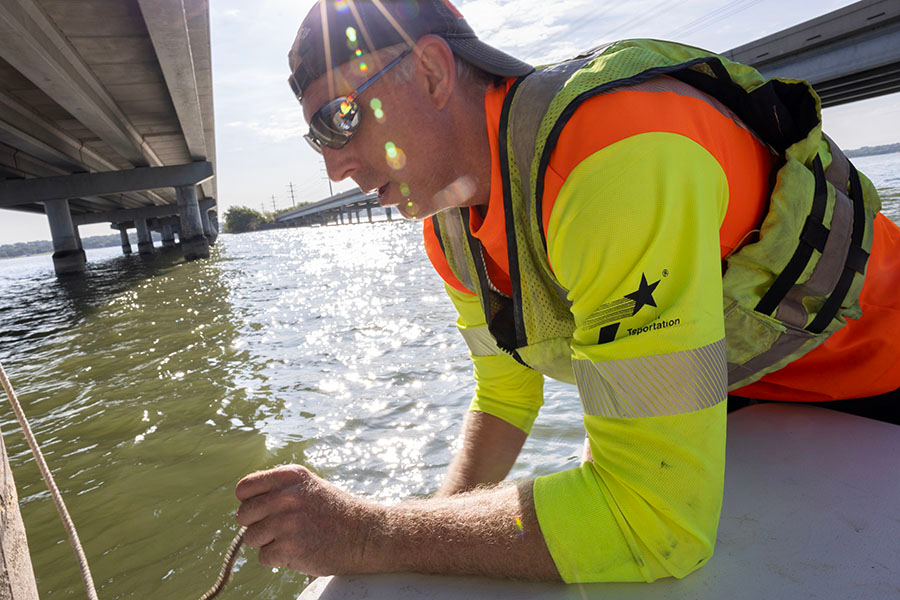
- Data dashboard for tracking and reporting follow-up actions
- Structured workflows with clear assignments and accountability
- Regular meetings for coordination and performance tracking
- Recognition of successful work to improve morale
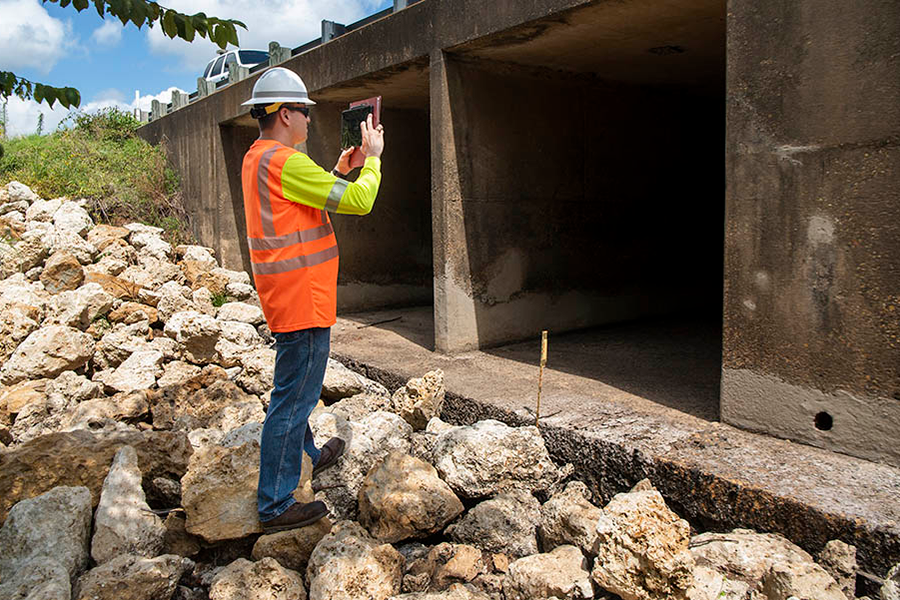
- Improved data tracking of assignments by maintenance section, work completion, and reporting
- Established weekly meeting for bridge FUA planning and progress meetings
- Provided targeted training on systems and workflows
- Identified opportunities to complete work more efficiently
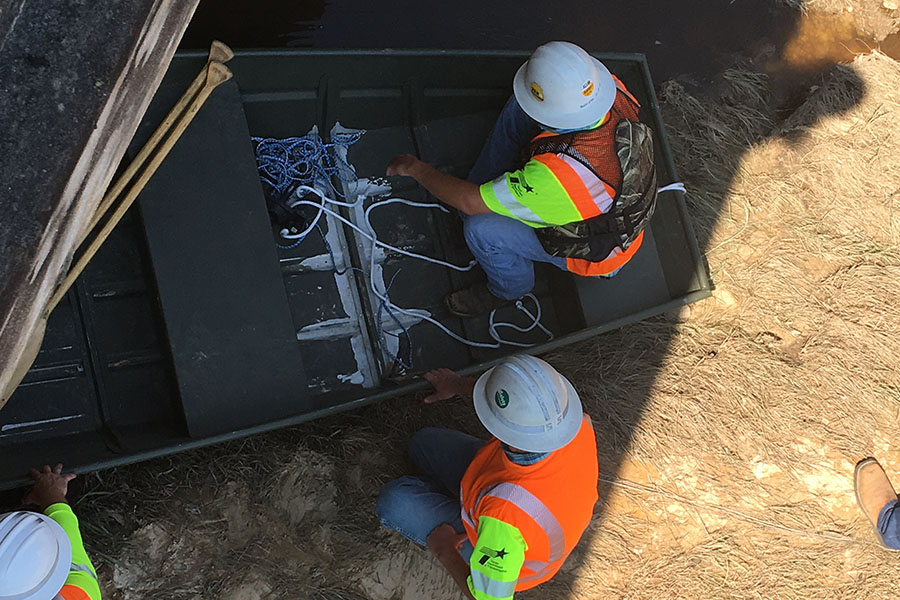
- Approach can be replicated in other districts to improve bridge maintenance performance
- Model supports broader use for task tracking, accountability, and team coordination
Alignment with TxDOT strategic goals
Implementation steps
- Establish effective communication and collaboration through routine status meetings.
- Update and maintain district bridge FUAs data using best practices.
- Verify that the TxDOT enterprise data platform is sourcing current district bridge FUAs data.
- Confirm that real-time data is connected to the Maintenance Division Bridge FUAs Dashboard.
- Monitor district bridge FUA data and team performance for refinement and continuous improvement.