Roadway Surface Characteristics
The roadway surface that a given material is placed upon is one of the most important factors influencing pavement marking performance. In Texas, pavement markings are placed upon three general types of roadway surfaces:
- hot-mix asphalt concrete (HMAC)
- hydraulic cement concrete (HCC, also known as Portland cement concrete)
- open-graded bituminous pavements (referred to as surface treatments in this handbook, but also known as seal coats).
Engineers can expect a given pavement marking material to perform differently on each of the different surface types. Three major pavement surface characteristics that affect marking performance are:
- surface roughness
- heat sensitivity
- surface porosity.
Surface Roughness.
Surface roughness can play a major role in the way a marking performs over time. Pavement markings on rough pavement surfaces, such as surface treatments, commonly lower retroreflectivity and shorten service lives when compared to identical markings on smooth pavement surfaces. Figure 2-1 shows a typical thermoplastic marking on a new surface treatment. Table 2-1 lists some of the negative effects that rough pavement surfaces have on standard pavement markings. Applying a thicker pavement marking or allowing sufficient time for traffic to compact the pavement surface are the usual countermeasures to the problems associated with rough surface treatments, especially for thermoplastic materials.
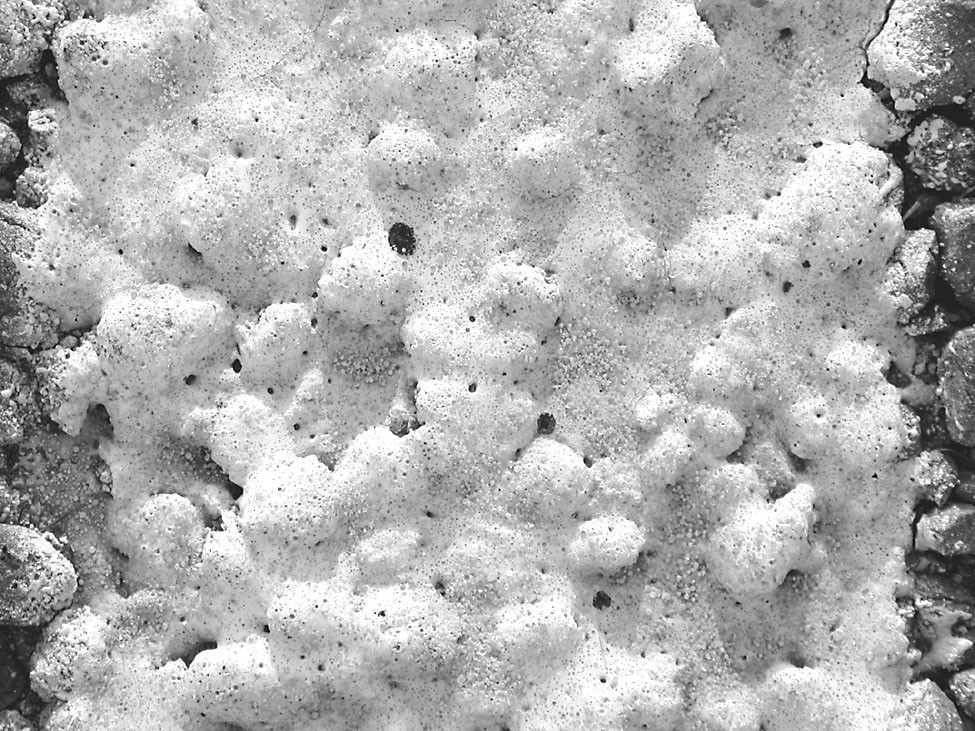
Figure 2-1. Typical 100-mil thermoplastic marking on new grade-3 surface treatment.
Problem | Cause |
|---|---|
Lower overall retroreflectivity | Because of irregular pavement surface characteristics, a high percentage of the binder and beads fall into the surface voids and crevices, greatly reducing the retroreflectivity of the marking (
). |
Low material durability on top of aggregates | Exposed binder material on top of aggregate results in material wearing off quickly (
). |
Poor retroreflectivity on backside of aggregate | Momentum of the striping truck causes the front sides of the aggregates to receive ample binder and bead coverage, while the backsides remain uncoated (
). |
Bead loss on top of aggregates | Thin binder material on top of the aggregates results in poor bead embedment and adhesion (
). |
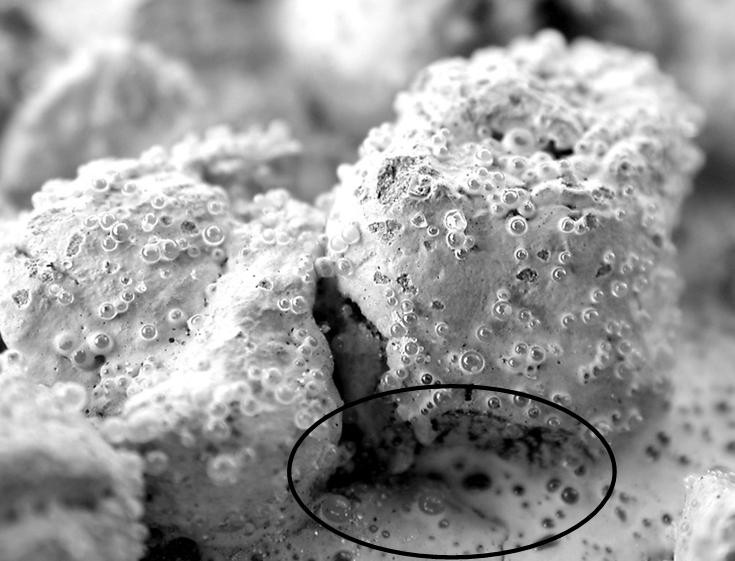
Figure 2-2. Beads falling between aggregates.
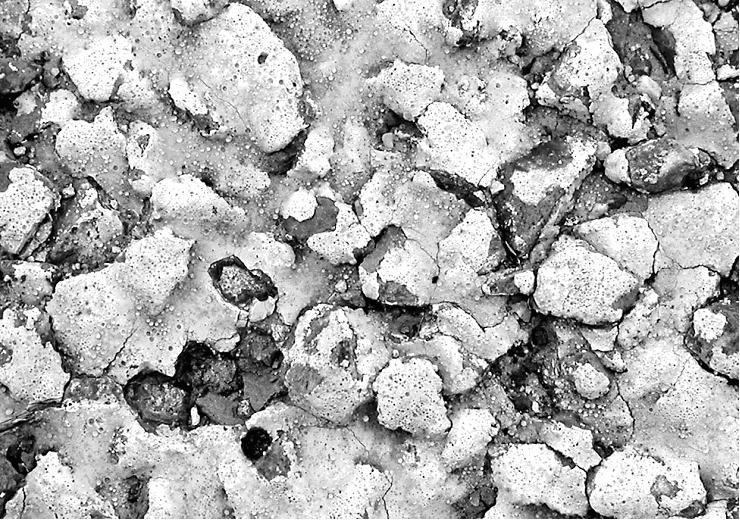
Figure 2-3. Poor material durability on top of aggregates.
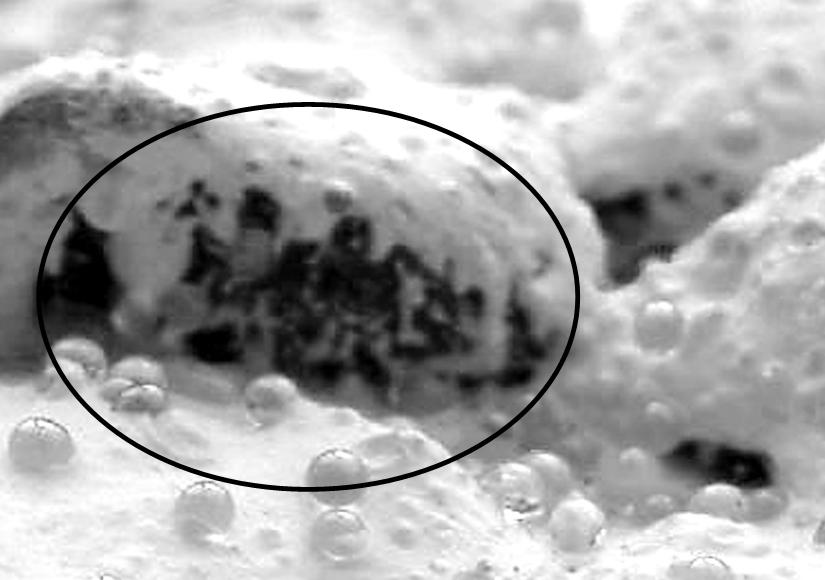
Figure 2-4. Poor material coverage on backside of aggregate.
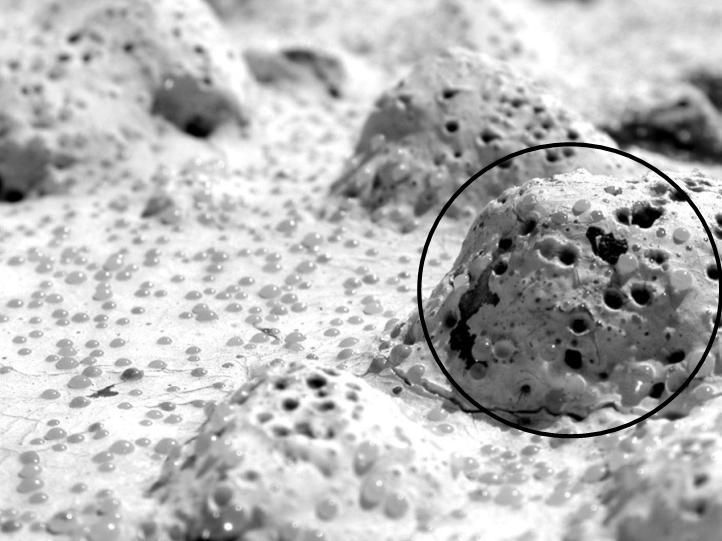
Figure 2-5. Poor bead retention on top of aggregates.
Heat Sensitivity.
The heat sensitivity of a pavement surface determines the bonding characteristics between the surface and most hot-applied marking materials. At temperatures greater than 160°F, asphalt behaves as a viscous liquid, which allows for thermal bonding with many hot-applied pavement marking materials. For example, thermoplastic materials bond to asphalt surfaces by melting and fusing with the asphalt. Thermal bonding provides for a tight bond between the surface and the marking. Concrete pavements do not react to hot-applied pavement markings in this way, and as such thermal bonding does not occur. In these cases, other bonding mechanisms are relied upon, which are often inferior to thermal bonding. It is for this reason that some hot-applied marking materials, such as thermoplastic, are not recommended for use on concrete surfaces.Prior to being fully cured, asphalt-based surface treatments are especially susceptible to bleeding under high temperatures. When asphalt bleeding occurs, the asphalt material is often tracked onto the pavement markings, causing permanent discoloration. In addition, thermoplastics are applied at such high temperatures that they sometimes boil the asphalt to the surface of the marking. Table 2-2 lists some of the negative effects that asphalt bleeding may have on standard pavement markings.
Problem | Cause |
|---|---|
Spots of asphalt on markings | On surface treatments with emulsified asphalt, the extreme heat of sprayed hot thermoplastic may boil the emulsion to the surface of the marking (
). |
Markings covered with asphalt | Insufficiently cured asphalt bleeds to the pavement surface and is tracked onto markings (
). |
Surface Porosity.
The surface porosity of a pavement surface determines the mechanical bonding characteristics for pavement markings with the surface. Mechanical bonding occurs when the pavement marking material seeps into the pores of the pavement surface and creates a tight mechanical bond upon drying. Thermoplastics and other hot-applied pavement markings adhere to concrete through mechanical bonding.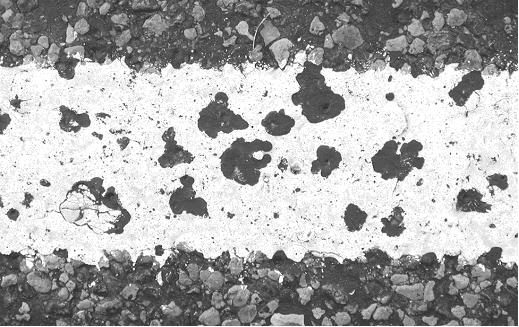
Figure 2-6. Asphalt boiling through hot thermoplastic.
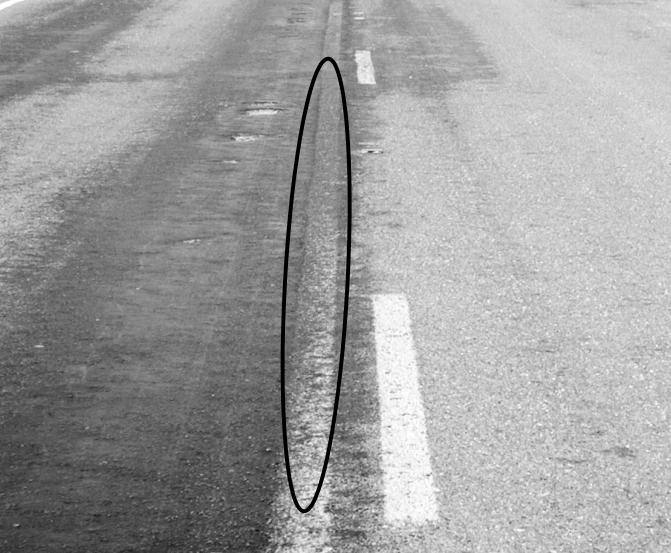
Figure 2-7. Asphalt tracked onto markings.