Functional Implementation
The preemption sequencing shall be implemented through the railroad preemption system installed in the cabinet assembly. Based on the states of the interconnection inputs from the railroad warning system, the system will call pre-defined preemption plans in the controller unit as shown in Figure 5-3. Note, this is according to the static configuration where each preemptor is assigned to a specific railroad circuit.
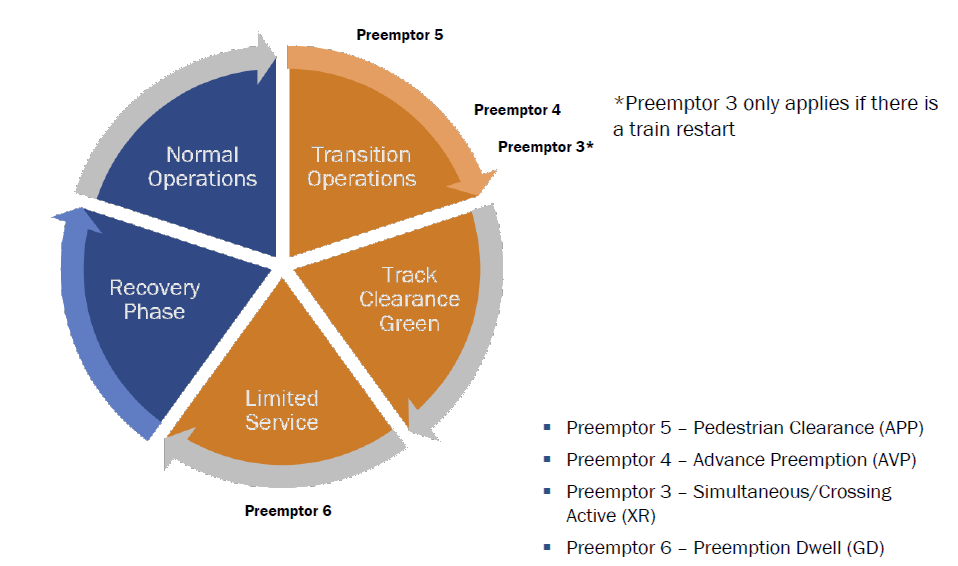
Figure 5–3. Preemptors Used in a Static Configuration
Each preemption plan must be configured for non-locking operation providing the operation described in the following statements:
Preemptor 1 – All-Red Soft Flash
When activated, this plan has priority over all other preemption plans. The controller unit shall transition to All-Red Soft Flash via the following steps:
- A preemption delay period shall elapse prior to transition to this plan. This delay period is typically set to allow a railroad preemption system module to be changed within a short period of time without placing the intersection into flashing operation.
- Any pedestrian walk interval which has not completed its programmed value shall be truncated to an alternate walk value and any remaining walk time shall be completed. When the alternate walk time has completed, the associated pedestrian change interval shall begin.
- Any pedestrian change interval which has not completed its programmed value shall be truncated to an alternate pedestrian change value.
- Any minimum green interval which has not completed its programmed value shall be truncated to an alternate minimum green value.
- The normal yellow change interval shall complete its programmed value.
- The normal red clearance interval shall complete its programmed value.
- The Preemption Clearance Interval shall start immediately following completion of the red clearance interval and shall continue until the minimum Preemption Clearance Interval has been served.
- The All-Red Flash interval shall be displayed and begin to time its programmed minimum time. Once the programmed time has completed, the sequence shall remain in All-Red Soft Flash operation until the Plan 1 input is no longer active.
- When the Plan 1 input is no longer active, the sequence shall advance to the programmed exit phases following a programmable steady All-Red display.
Preemptor 2 – Special Applications Interval
- Plan 2 is typically used where two Preemption Clearance Intervals are required based on site specific intersection geometry.
Preemptor 3 – Simultaneous/Crossing Active Interval
When activated, this plan has priority over lower numbered preemption plans. The controller unit shall transition to the Preemption Clearance Interval via the following steps:
- Any pedestrian walk interval which has not completed its programmed value shall be truncated to zero.
- Any pedestrian change interval which has not completed its programmed value shall be truncated to zero.
- Any minimum green interval which has not completed its programmed value shall be truncated to zero.
- The normal yellow interval shall complete its programmed value.
- The normal red clearance interval shall complete its programmed value.
- The Preemption Clearance Interval shall be displayed and begin to time its programmed minimum time. Once the programmed time has completed, the sequence shall remain in the Preemption Clearance Interval.
- When the Plan 3 input is no longer active, the sequence shall advance to the programmed exit phases.
Preemptor 4 – Advance Preemption Interval
When activated, this plan has priority over lower numbered preemption plans. The controller unit shall transition to the Preemption Clearance Interval via the following steps:
- Any pedestrian walk interval which has not completed its programmed value shall be truncated to an alternate walk value, and any remaining walk time shall be completed. When the alternate walk time has completed, the associated pedestrian change interval shall begin.
- Any pedestrian change interval which has not completed its programmed value shall be truncated to an alternate pedestrian change value.
- Any minimum green interval which has not completed its programmed value shall be truncated to an alternate minimum green value.
- The normal yellow change interval shall complete its programmed value.
- The normal red clearance interval shall complete its programmed value.
- The Preemption Clearance Interval shall be displayed and begin to time its programmed minimum time. Once the programmed time has completed, the sequence shall remain in the Preemption Clearance Interval.
- When the Plan 4 input is no longer active, the sequence shall advance to the programmed exit phases.
Preemptor 5 – Pedestrian Clearance Interval
When activated, this plan has priority over lower numbered preemption plans. The controller unit shall transition to the pedestrian change interval via the following steps:
- Any pedestrian walk interval which has not completed its programmed value shall be truncated to an alternate walk value and any remaining walk time shall be completed. When the alternate walk time has completed, the associated pedestrian change interval shall begin.
- Any pedestrian change interval which has not completed its programmed value shall be truncated to an alternate pedestrian change value.
- As long as the Plan 5 input is active, all allowed vehicle phases shall continue to operate normally. No new pedestrian service may begin.
- When the Plan 5 input is no longer active, the sequence shall advance to the programmed exit phases.
Preemptor 6 – Preemption Dwell Interval
When activated, this plan has priority over lower numbered preemption plans. The controller unit shall transition to the Preemption Dwell Interval via the following steps:
- The normal yellow change interval shall complete its programmed value.
- The normal red clearance interval shall complete its programmed value.
- The Preemption Dwell operation shall commence operation and remain as long as the Plan 6 input is active.
- When the Plan 6 input is no longer active, the sequence shall advance to the programmed exit phases.