Section 3: Visibility-Limited Traffic Signal Heads
TMUTCD Section 1C.02 defines visibility-limited traffic signal heads as “a type of signal face or signal section designed (or shielded, hooded, or louvered) to restrict the visibility of a signal indication from the side, to a certain lane or lanes, or to a certain distance from the stop line”. As discussed above, visibility-limited heads shall be used at the downstream intersection for pre-signal installations; however, they may be necessary at other locations depending on the proximity of the crossing to the intersection. The distances in TMUTCD Table 4D-2 and shown in the table below shall be used to determine if downstream signal heads shall be visibility-limited to avoid indications that may be misinterpreted as conflicting near grade crossings.
85th Percentile Speed | Minimum Sight Distance |
|---|---|
20 mph | 175 feet |
25 mph | 215 feet |
30 mph | 270 feet |
35 mph | 325 feet |
40 mph | 390 feet |
45 mph | 460 feet |
50 mph | 540 feet |
55 mph | 625 feet |
60 mph | 715 feet |
Currently, there are two different methods of limiting the visibility of traffic signal heads. One of the methods involves using programmable visibility (PV) signal heads (Figure 6-7). The lens of the signal head is masked in the field using a special type of tape that controls the visibility of the signal indication to the motorist. Another method that may be used is installing a geometrically programmed louver (Figure 6-8) over the signal lens. The louvers are mechanically adjusted with a baffle key to control the viewing angle of the signal indication. Either option may be used for intersections near grade crossings. A cutoff line for the signal indication should be shown on the design plans. Signal heads at a downstream intersection should not be visible at or upstream of the railroad warning devices. They should only be visible to vehicles in the crossing area and downstream of the crossing.
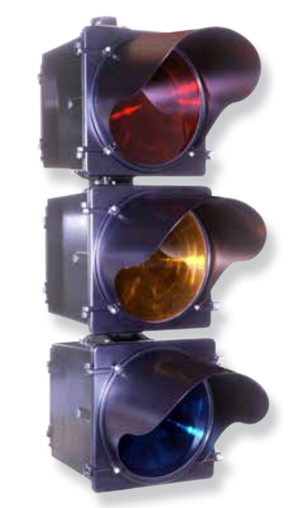
Figure 6–7. Programmable Visibility Signal Head
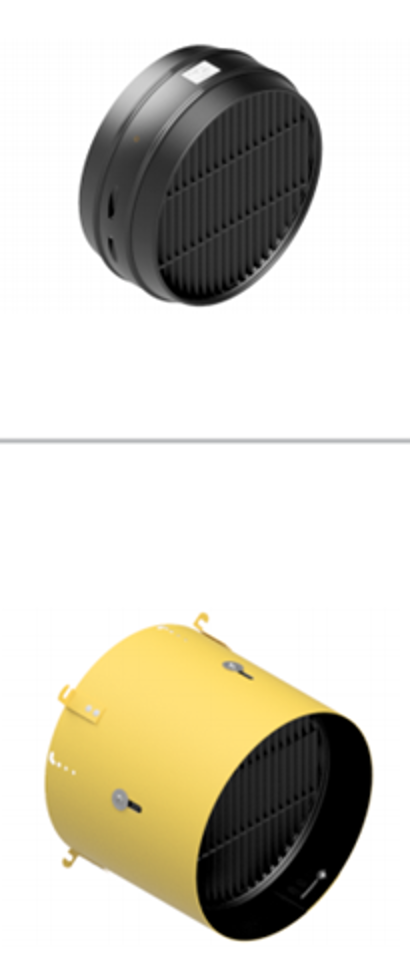
Figure 6–8. Geometrically Programmed Louvers