Solid State Interface
The standard TxDOT railroad interface actively controls traffic signal operations during railroad preemption through its own microprocessor using multiple preemptors that are associated with the specific control plan. This manual defines such an interface as an active-style where the interface is responsible for processing all railroad inputs and directing the traffic signal controller. The preemptors shall be configured as shown in Figure 5-1 and described in Chapter 5, Section 4. The “static” configuration assigns each preemptor a specific railroad circuit and is the TxDOT standard. Some active-style interfaces use a dynamic preemptor assignment, which shuffles the preemptor assignment based on the railroad circuits requested.
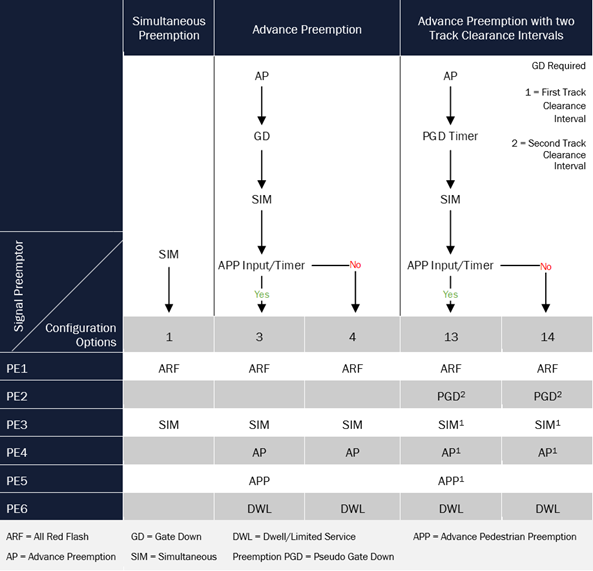
Figure 5–1. Configuration Output Chart (Static)
Active style interfaces require several preemptors to operate. Most ATC traffic signal controllers have sufficient preemptors to accommodate these demands and Emergency Vehicle Preemption (EVP), if desired. However, depending on the traffic signal cabinet used, there may not be enough preemption terminals on the main panel to access all of the available preemptors in the controller. Preemptors 1-6 shall be reserved for railroad preemption. EVP detection/inputs may be combined, where feasible, and connected to lower priority preemption inputs. Alternatively, other inputs may be remapped for EVP.