Single Break and Double Break Circuits
states ” The preemption special control mode shall be activated by a supervised preemption interconnection using fail-safe design principles between the control circuits of the grade crossing warning system and the traffic signal controller unit.”
A single break circuit, as shown in Figure 4-2, is typically provided along with a supervision circuit to follow a fail-safe principle. This involves a deenergized and energized circuit. Both circuits change states when activated. If both circuits are energized or deenergized at the same time, this implies a faulty interconnection and the traffic signal shall immediately transition to preemption operations followed by a fault condition.

Figure 4–3. Single Break Circuit with Supervision
Per TMUTCD, “Instead of supervision, a double-break preemption interconnection circuit that uses two normally-closed circuits that open both the source and return energy circuits may be used.” Both are required A double break circuit schematic is shown in Figure 4-3 to change states in order to begin preemption. This provides a safety measure by ensuring that an electrical current will not mistakenly trigger a response and potentially transition to preemption by breaking both the positive and negative sides of the circuit.
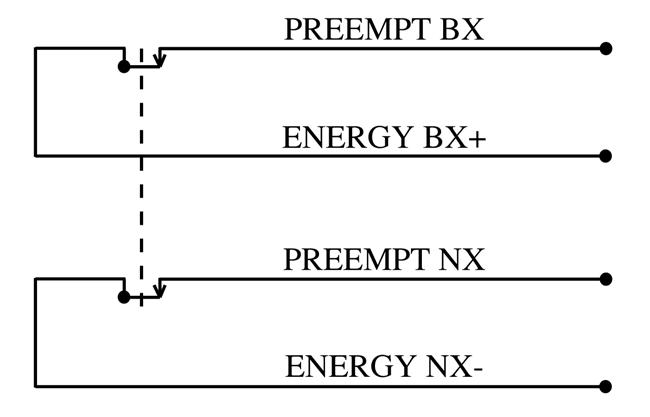
Figure 4–4. Double Break Circuit with Supervision
Although TMUTCD allows for either a single break supervised circuit or a double break circuit, the designer shall consider the type of traffic signal controller, preemption interface and the related software to ensure that the equipment is capable of handling those inputs. TMUTCD also dictates that “information regarding the type of preemption and any related timing parameters shall be provided to the railroad company or transit agency so that the railroad company or transit agency can design the appropriate train detection circuitry”.