Section 2: Reviewing Special Scenarios
TxDOT Form 2304 is the standard form for preemption calculations. For most locations, the data collected as outline in Section 3-1 should be input directly into TxDOT Form 2304. TxDOT Form 2304-I can assist in the completion of TxDOT Form 2304. However, the designer may encounter special scenarios where the location, design, or operation of the interconnected crossing may require special consideration by the diagnostic team and when performing preemption calculations. This section details some of these special scenarios and provides guidance on how to address them. This list is not all inclusive. Engineering judgement should be applied to determine the most appropriate solution when performing preemption calculations.
Tracks Through the Middle of an Intersection
Tracks that cross through the middle of a signalized intersection need to be considered when performing preemption calculations as illustrated in Figure 3-2.
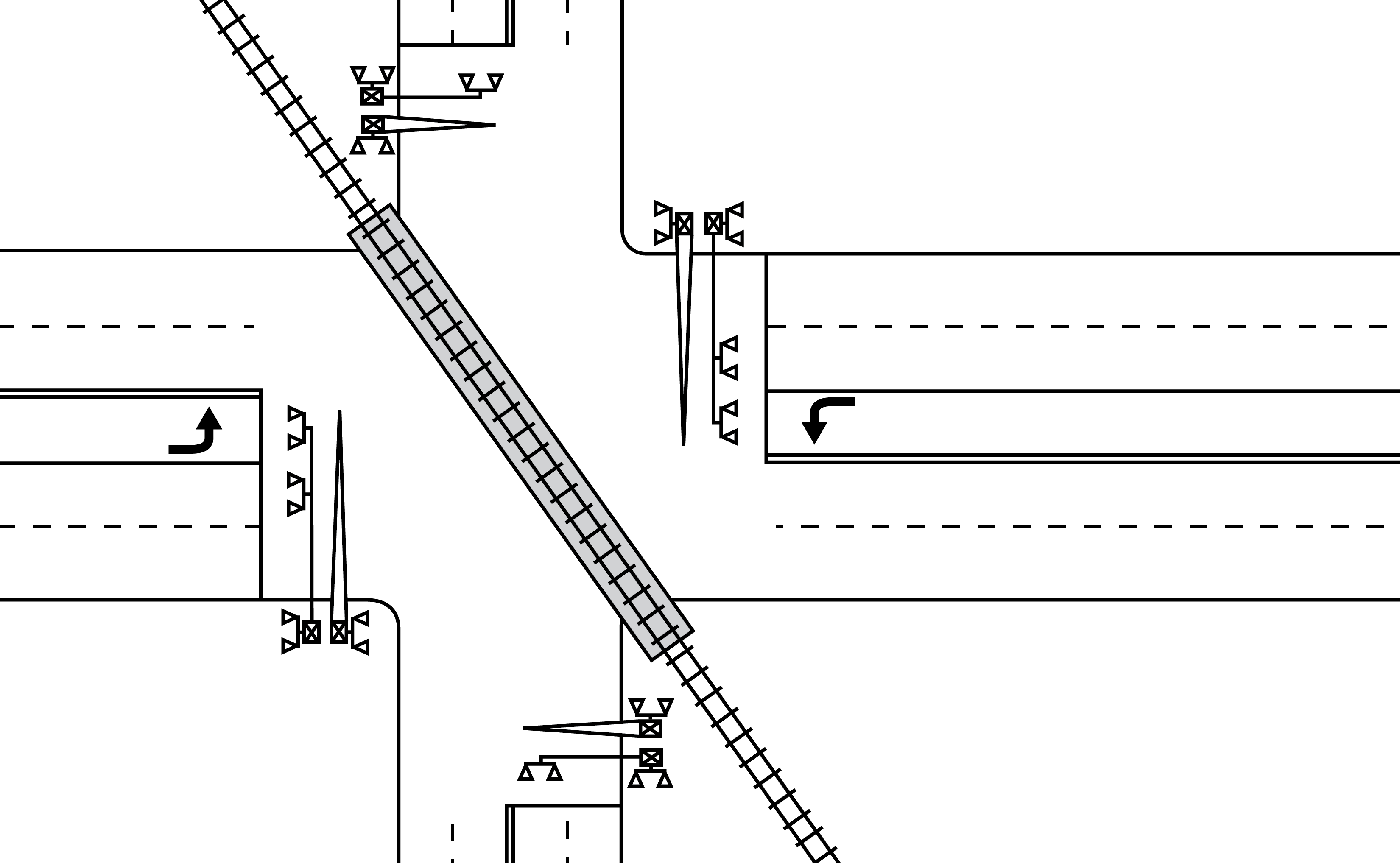
Figure 3–2. Crossing Through the Middle of a Signalized Intersection
When evaluating a crossing with tracks through the middle of the signalized intersection, the designer should synchronize the traffic signal all-red indication with the activation of the railroad flashing lights. The TxDOT Form 2304 should include the MTCD measurement to determine the clearance time for the crossing and RWTT. The railroad total warning time should be sufficient to clear all vehicles from the tracks, thus the calculated advance preemption time should be equal to or greater than the RWTT. Once right-of-way transfer is complete, the traffic signal shall hold an all-red indication as the Preemption Clearance Interval until the crossing is clear.
Locations with No Clear Storage Distance
Some crossings may have no CSD, where the 6 feet distance from the near rail is to the edge of the adjacent street as illustrated in Figure 3-3. Crossings with no CSD will generally have lower advance preemption time because no vehicles should be downstream of the crossing, which leads to a shorter queue start-up distance and track clearance green interval. When a crossing does not have a CSD, the designer should place railroad stop line upstream of the crossing in order to discourage motorists from stopping downstream of the grade crossing.
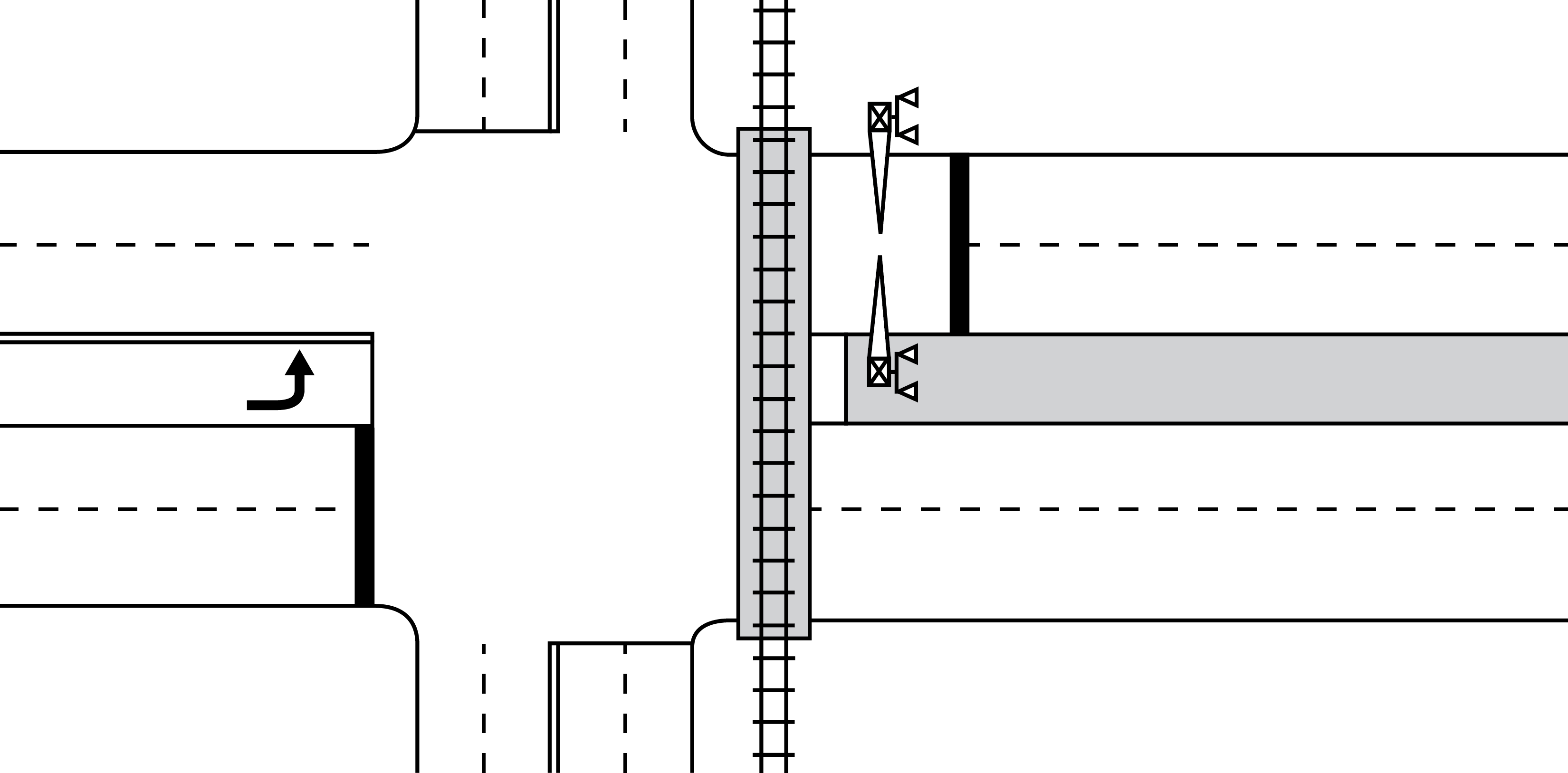
Figure 3–3. Crossing with No CSD
This scenario does not require any special manipulation of TxDOT Form 2304 except entering zero for the CSD.
Multiple Intersections Near One Crossing
At locations where the crossing has multiple signalized intersections near a crossing or is located between two signalized intersections as illustrated in Figure 3-4, the traffic signals should be interconnected and coordinated to reduce the potential for traffic to queue across the tracks. If geometrics and equipment constraints allow, both intersections should operate off the same traffic signal controller to ensure seamless coordination. During a preemption event, both signalized intersections shall allow track clearance green to allow vehicles to clear both the tracks and their respective downstream intersections. If the distance between the intersections is short, the traffic signals should operate to keep the roadway between the intersections clear during normal operations.
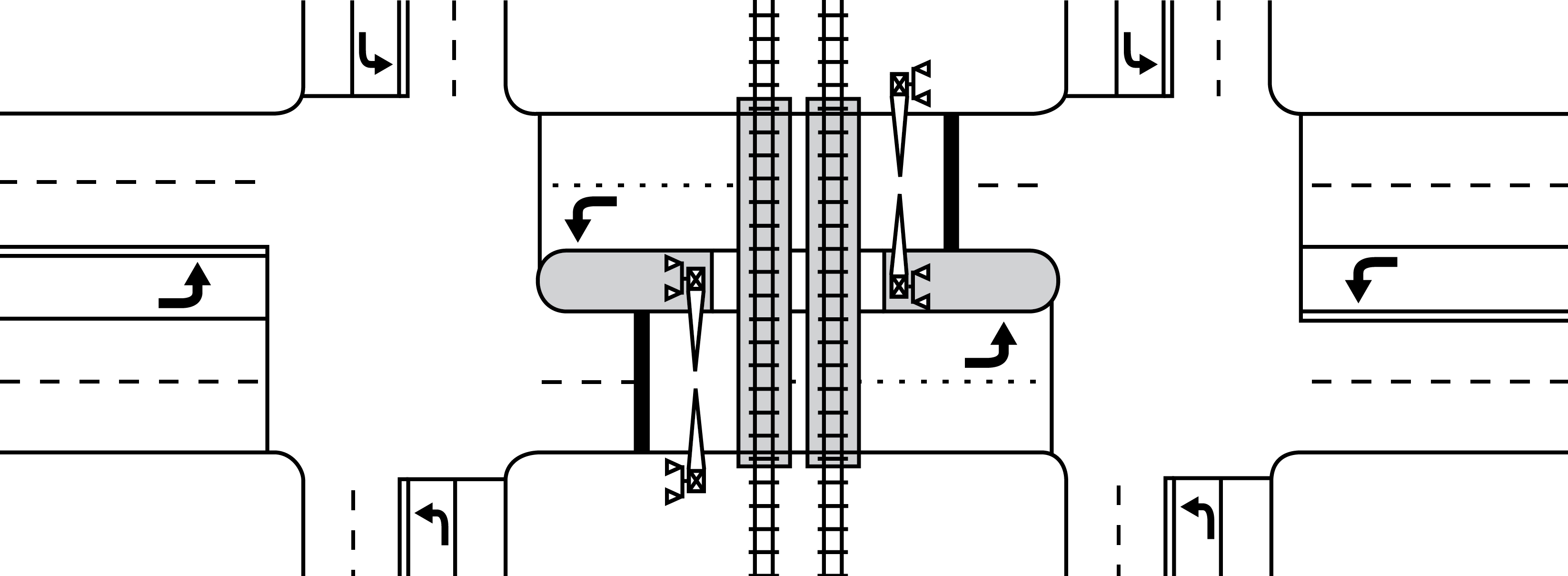
Figure 3–4. Location with Multiple Intersections Near One Crossing
When filling out TxDOT Form 2304, TXDOT recommends to perform preemption calculations for each signalized intersection that will be interconnected to the crossing. The preemption request shall be for the highest calculated advance preemption time. Since both intersections will be interconnected to the crossing, the MTCD should be the same for each form as the railroad will base the clearance time on the largest MTCD.
Multiple Crossings Near One Intersection
The diagnostic team shall carefully review geometric configurations with multiple crossing approaches to provide queue prevention or queue clearance at each crossing location. Figure 3-5, illustrates a scenario where a track crosses two legs of a single intersection. Special consideration for a pre-signal or queue cutter signal to provide queue prevention is important where queues are likely at both crossings.
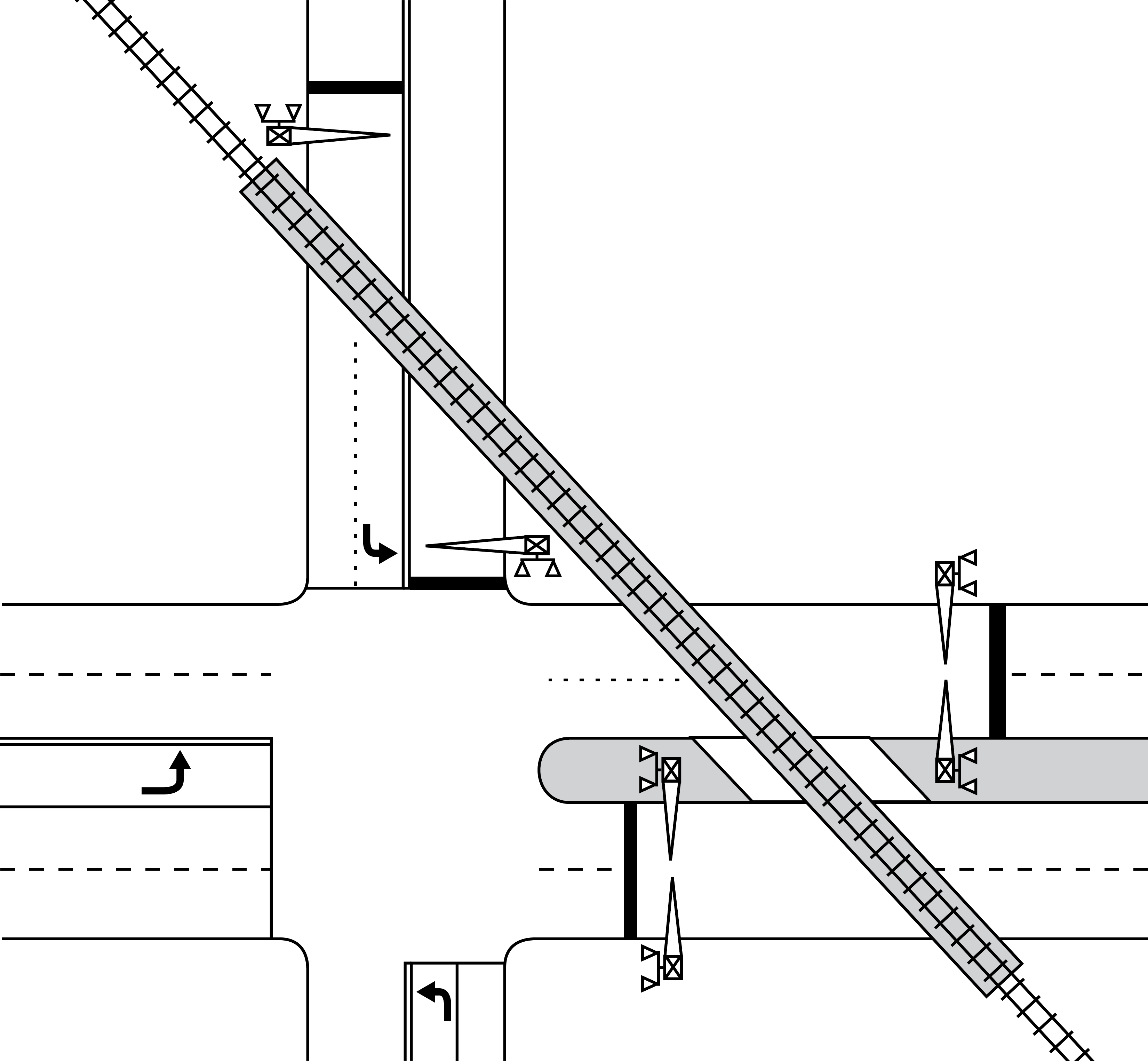
Figure 3–5. Location with Multiple Crossings Near One Intersection
If interconnection will be provided from each crossing location, one leg should first be cleared and the railroad warning devices activated to restrict additional vehicles proceeding over that grade crossing. For the TxDOT standard railroad preemption interface, the track clearance for the first leg should be terminated by a pseudo gate down timer (See Chapter 5, Section 3 related to active-style interfaces). The second approach should then be cleared and the railroad warning devices for the second crossing activated to restrict additional vehicles proceeding over that grade crossing. This can require substantial preemption time from the railroad and may not be feasible given railroad equipment limitations. The diagnostic team should review potential queue prevention for this geometric configuration.
Stop and Proceed Operations
The railroad may elect to operate under a “stop and proceed” order at a specific crossing. This operation is typically limited to low-speed industrial leads. During stop and proceed operations, the train stops at the island circuit (edge of the crossing) prior to entering the roadway. The train operator will wait at the island circuit until the crossing is clear before proceeding. The train operator will wait until the crossing is free of any vehicles and pedestrians and for the gates to be fully horizontal before proceeding through the crossing. Under a stop and proceed order, train operation is no longer bound by the AREMA 50 second rule as defined in Chapter 4.
Effect of Queue Prevention on Calculations
Preemption of Traffic Signals Near Railroad Crossings, 2nd Edition, ITE, 2021 (ITE manual) provides excellent guidance for pre-signals or queue cutter signals. Further guidance on selecting queue prevention strategies is presented in Chapter 6 of this manual. When filling out TxDOT Form 2304 and the design proposes a pre-signal:
- Preemption calculations should include the CSD to take account for any motorists that may have violated the pre-signal. However, the designer may omit the CSD, or a portion thereof, if needed to reduce the advance preemption time such as to comply with the AREMA 50 second rule.
When filling out TxDOT Form 2304 and the design proposes a queue cutter signal:
- Preemption calculations should omit the CSD since the adjacent intersection is far enough away from the grade crossing that vehicles will be able to safely queue within the CSD. The queue cutter will provide on-track queue prevention within the MTCD.
- RWTT should be limited to minimum green, yellow change and red clearance time.
- The advance preemption time should provide enough time to transition to the queue cutter to red prior to the activation of the railroad flashers. The queue cutter signal all-red indication should synchronize with activation of the railroad flashing lights.
Scenarios When Left Turns Towards Tracks Can Be Ignored
There may be a crossing where left turns are allowed towards the tracks but can be ignored in the preemption calculations due to the geometrics and/or operations of the crossing and adjacent intersection. If the following scenarios apply to the subject crossing, the design may omit the calculation of left turns towards the tracks by selecting “No” for Line 28 on TxDOT Form 2304.
At some crossings, the distance between the intersection and the tracks is approximately the design vehicle length (DVL) or greater, meaning there is enough space between the adjacent intersection and the grade crossing to store the design vehicle. The figures below present two potential scenarios with left turns towards the tracks and varying distances between the intersection and the crossing. Figure 3-6 provides an example where left turns towards the tracks should be included in the preemption calculations. Figure 3-7 illustrates a scenario where the designer may ignore left turns towards the tracks and omit them from the preemption calculations.
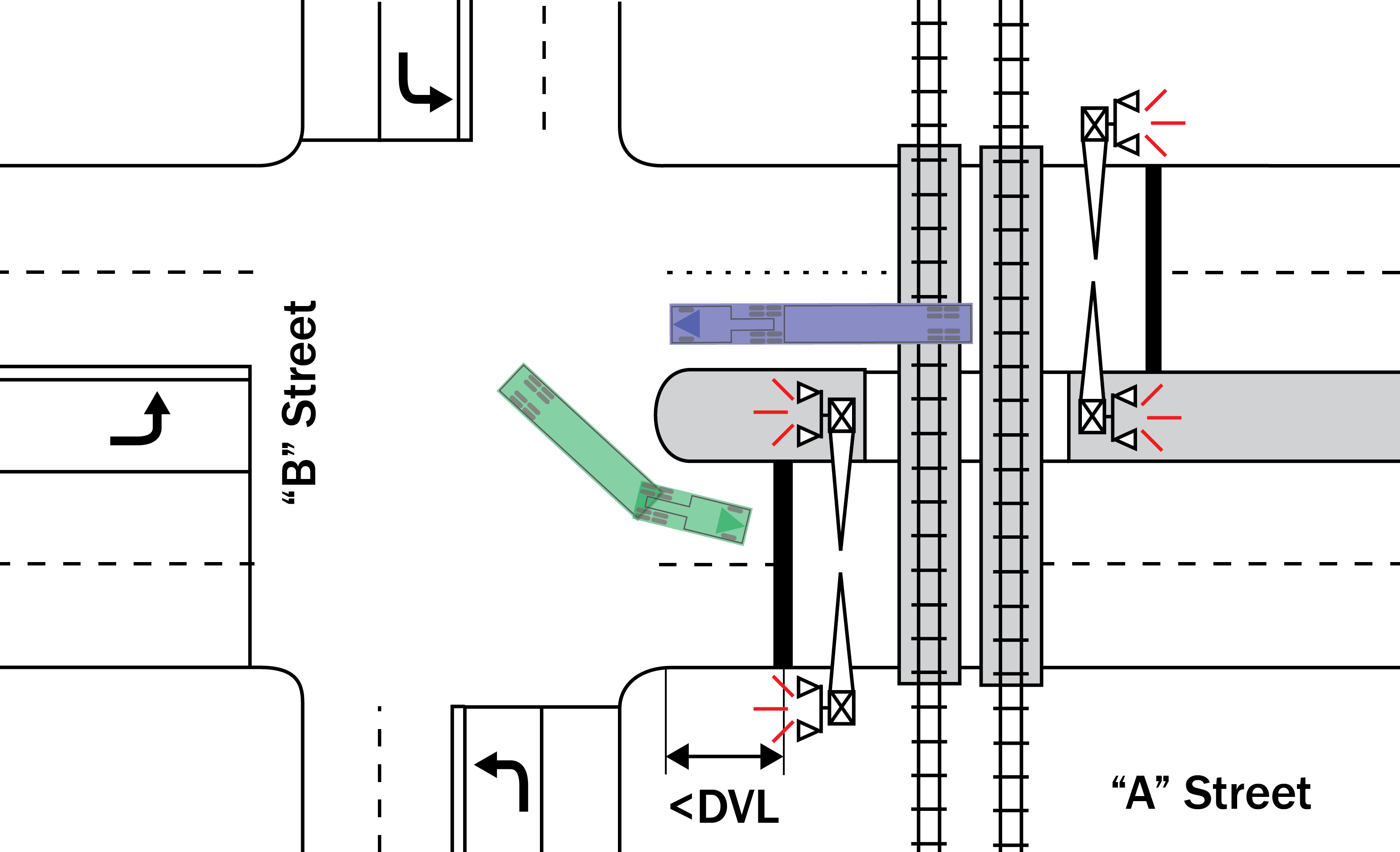
Figure 3–6. Left Turn Towards Tracks with Insufficient Storage
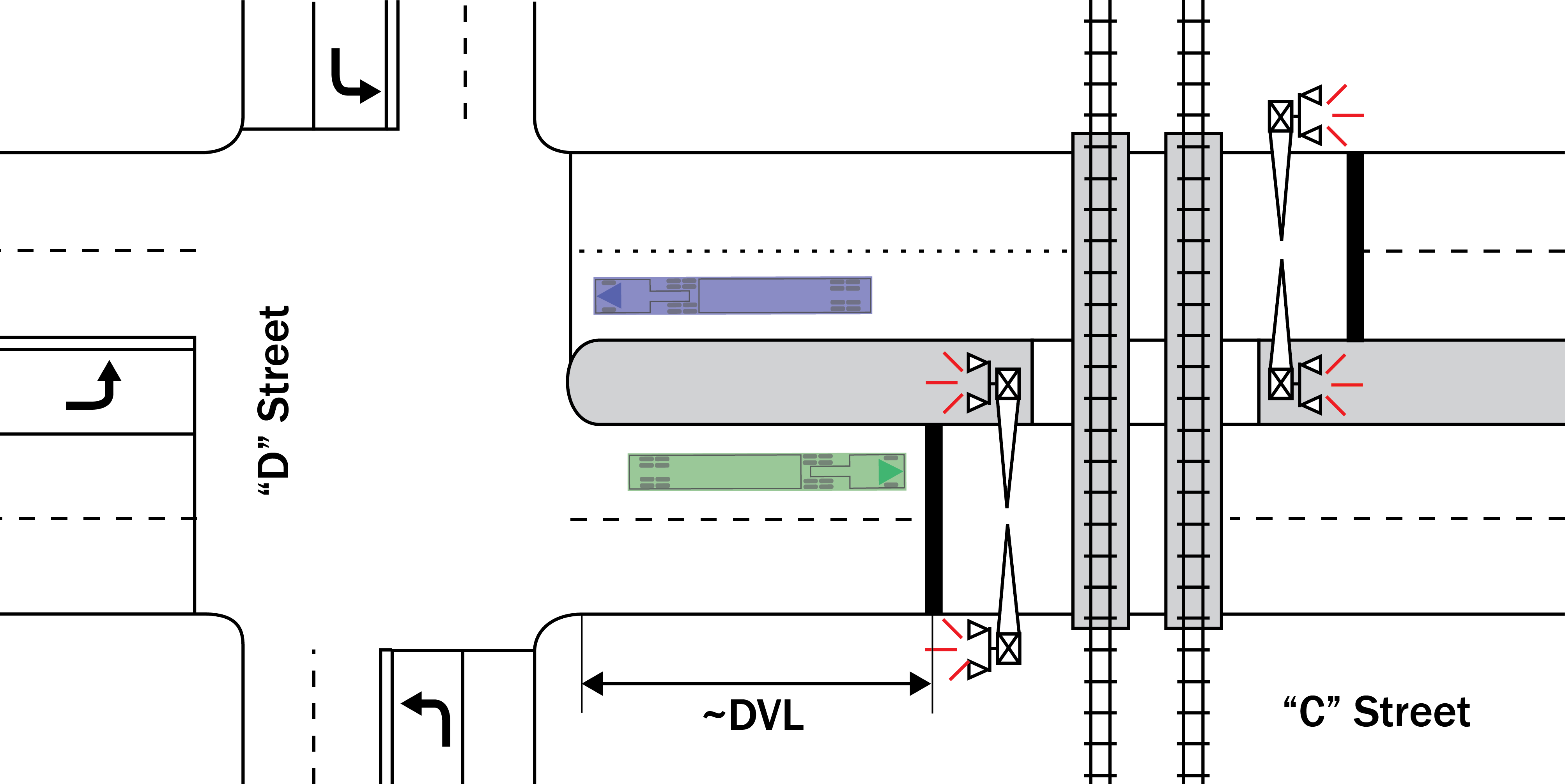
Figure 3–7. Left Turn Towards Tracks with Sufficient Storage
The designer may also ignore left turns towards the tracks where the left turn towards the tracks is a protect only left turn with sufficient yellow and red time to clear the design vehicle through the intersection.
Yellow Trap
A yellow trap, or lagging yellow, is a special scenario that the designer shall account for to mitigate collisions from occurring at intersections during preemption. A yellow trap occurs when the track clearance green phase and the opposing traffic’s through and permissive left turn phases are being served prior to a preemption call. When preemption is activated, the traffic signal controller will hold the track clearance green phase, while the opposing signal heads will go to yellow. Opposing left-turn vehicles will wait in the intersection for an adequate gap. Depending on the traffic, motorists may need to wait until the traffic signal transitions from green to yellow or even red. Motorists typically assume the opposing traffic is transitioning as well. When the opposing motorists on the track clearance phase remain green, to transition to track clearance green sooner, a collision can occur since both drivers are used to seeing simultaneous yellows on both approaches when their phase ends. Figure 3-8 illustrates an example of a yellow trap occurring during preemption with a grade crossing located north of the displayed intersection.
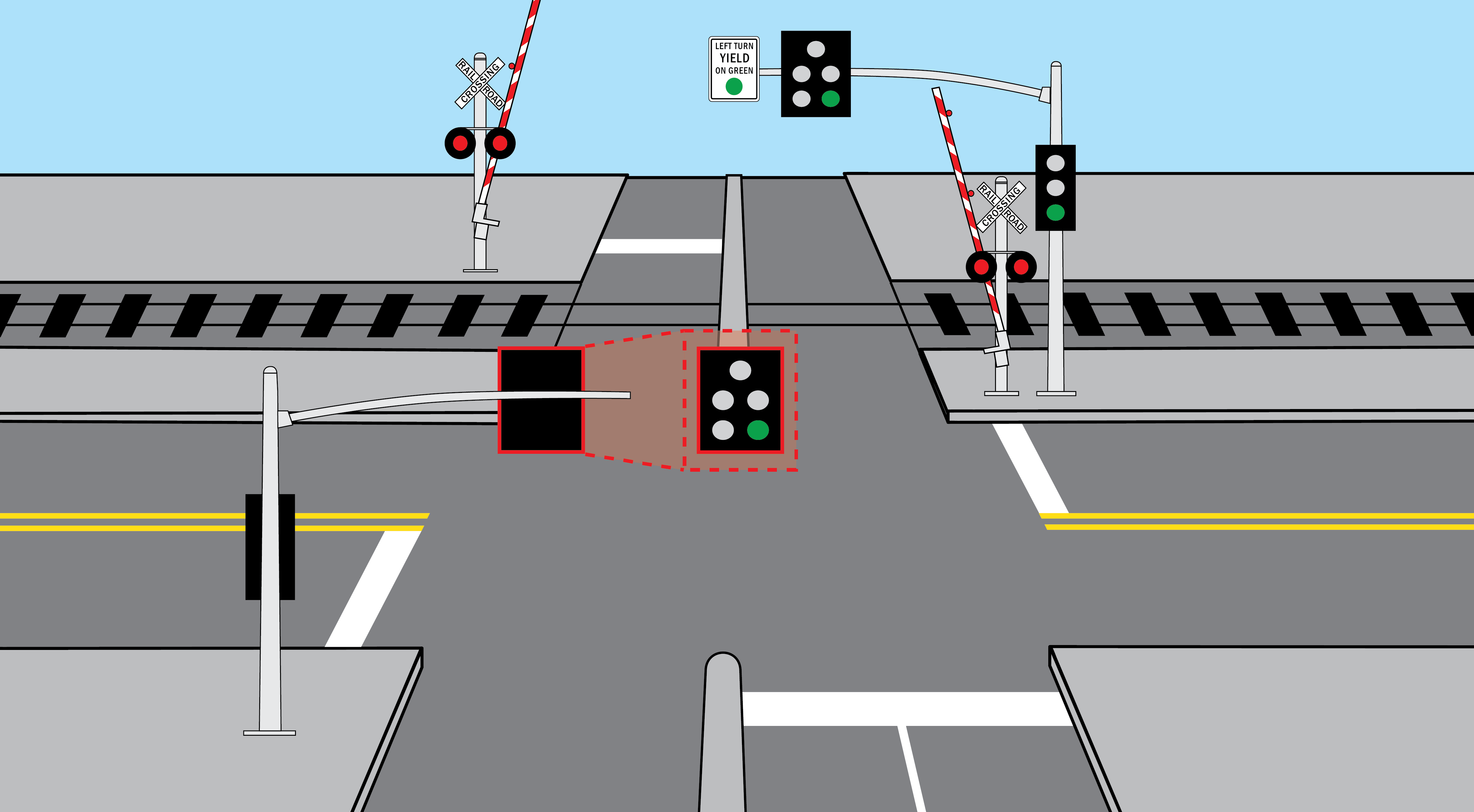
Figure 3–8. Yellow Trap During Preemption
The designer may apply either of the following methods to prevent a yellow trap during preemption:
- The traffic signal should have protected-only left turn for the track clearance green phase and opposing traffic, or
- If the design proposes permissive left turns for opposing traffic, transition the traffic signal to all-red when preemption is activated. Once the traffic signal is all-red then transition to track clearance green. The TxDOT Form 2304 should account for the amount of all-red time that will be provided during preemption to prevent the yellow trap.