Section 3: Advance and Simultaneous Preemption
TMUTCD 1C.02 defines two forms of preemption as follows:
- Simultaneous preemption: the notification of approaching rail traffic is forwarded to the highway traffic signal controller unit or assembly and railroad or light rail transit active warning devices at the same time.
- Advance preemption: the notification of approaching rail traffic that is forwarded to the highway traffic signal controller unit or assembly by the railroad or light rail transit equipment in advance of the activation of the railroad or light rail transit warning devices.
The primary function of either form of preemption is to have the grade crossing be vehicle-free prior to the arrival of the train. Preemption is initiated through an electrical connection between the traffic signal system and railroad warning system referred to as interconnection. The railroad relays and interconnection are discussed further in Chapter 4.
Figures 2-2 and 2-3 illustrate examples of simultaneous and advance preemption operations, respectively.
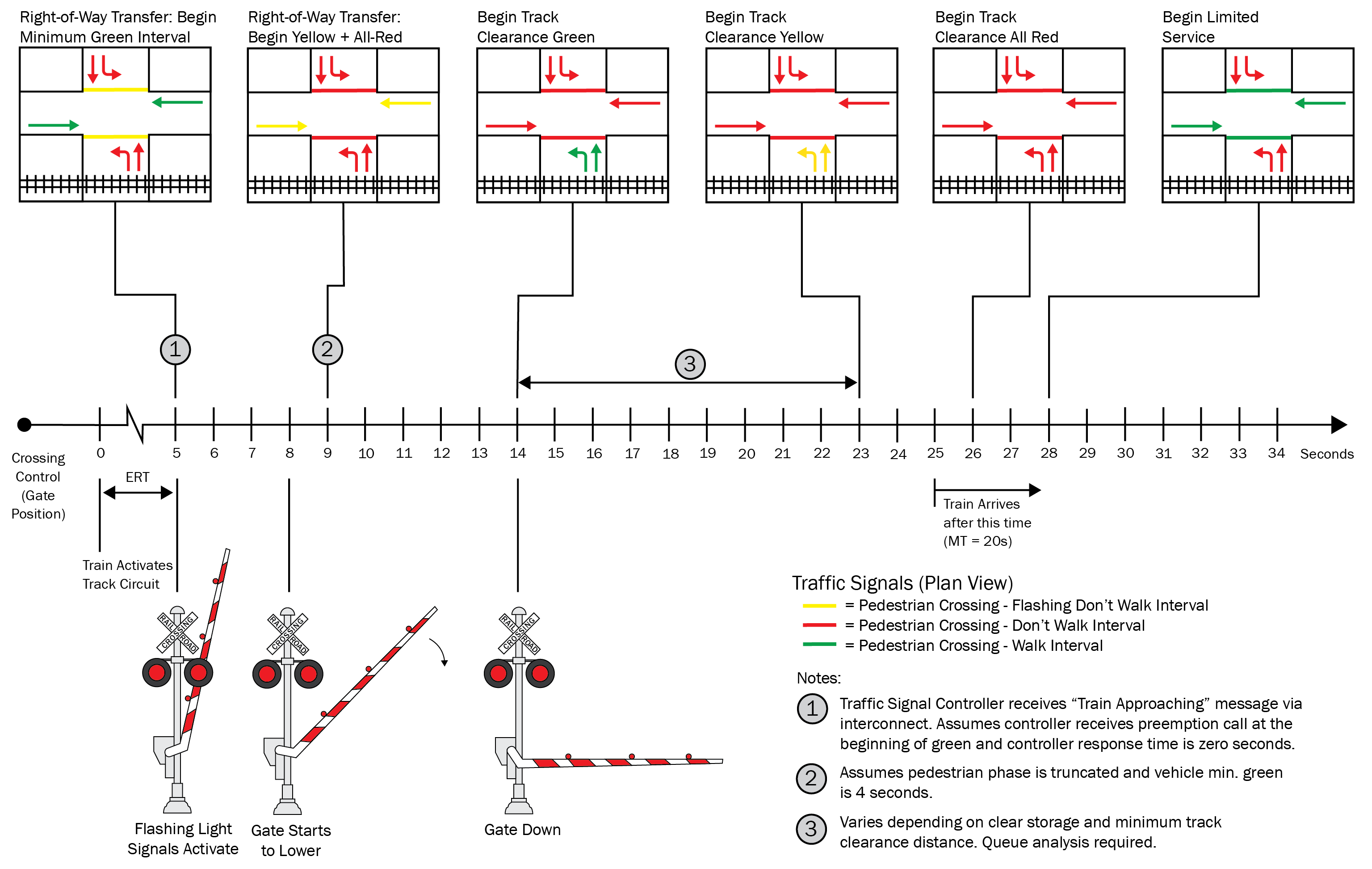
Figure 2–2. Simultaneous Preemption Operation
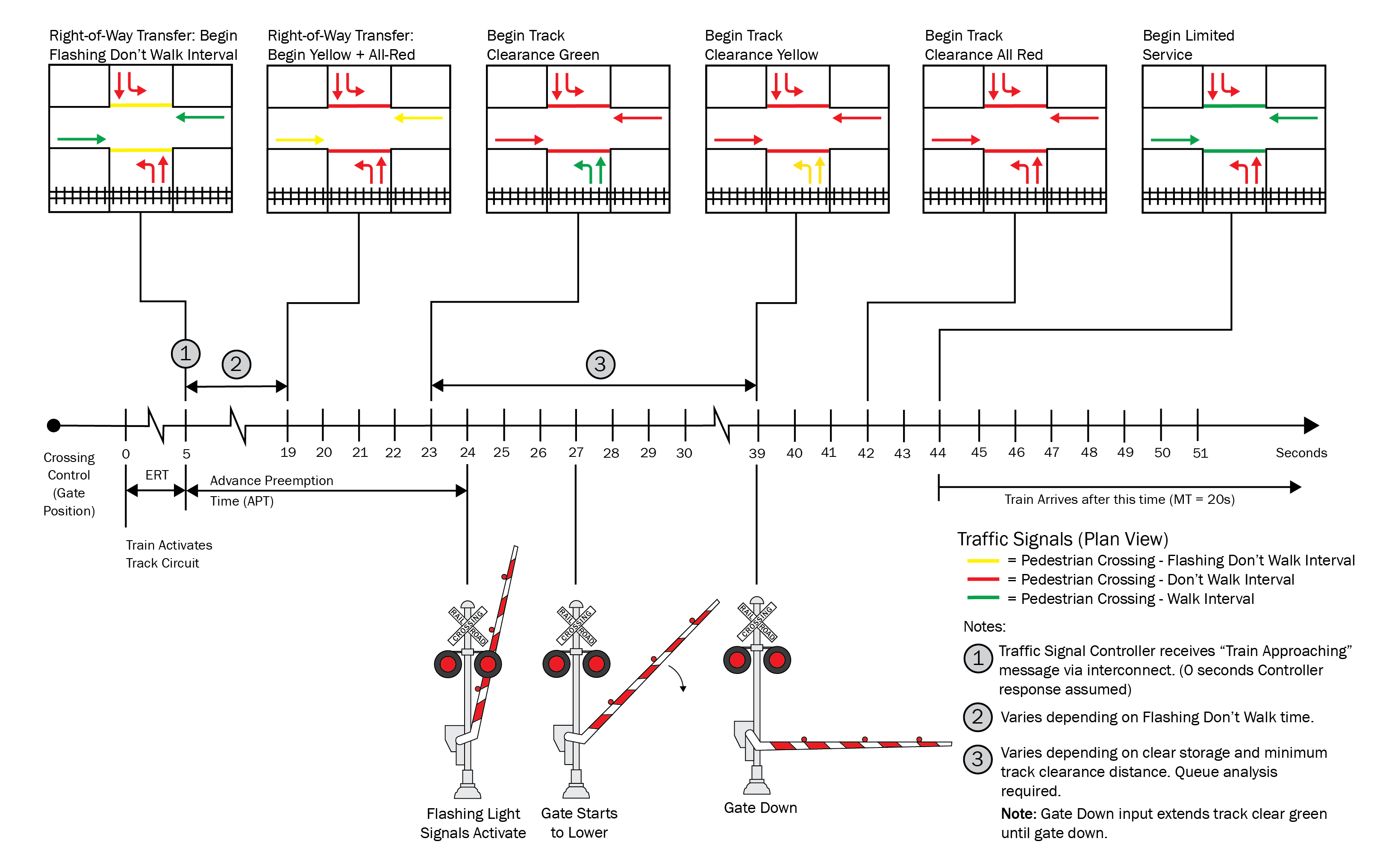
Figure 2–3. Advance Preemption Operation
There are various references outside of TxDOT that provide details regarding simultaneous and advance preemption operations, but generally simultaneous preemption should be limited to crossings where the tracks cross through the middle of the intersection. Advance preemption is a more complex operation but provides many benefits such as reducing the amount of time the railroad warning system is activated and potentially fewer gates striking vehicles and/or broken gates. Advance preemption is the standard method of preemption in Texas, unless engineering judgment shows that simultaneous preemption is appropriate for a specific location.
Due to the complexity of advance preemption operations, the highway authority and railroad must ensure that all parties have a basic understanding of the operation of each other’s system. Later chapters of this manual will help develop an understanding of the two systems and standardize preemption operations in Texas.