7.2 Example of Conditions for Each Pavement Design’s Usage
“New” Pavement Design
. The “new” pavement design category assumes a pavement structure is constructed from point “A” to point “B” and there is no existing pavement along the proposed route. It may include a new parallel roadbed, such as, when a two-lane highway is transformed into a divided four-lane highway.Pavement Reconstruction Design
. Pavement reconstruction design assumes there is an existing pavement along the projected route. It is further assumed the structural condition of existing pavement is in such deteriorated condition that removal of all or part of the existing pavement is necessary. Also, there is the possibility that adjustments to the vertical and/or horizontal alignment make reconstruction necessary.Figure 2-8 provides a flow chart for the design process for new pavements or a full reconstruction.
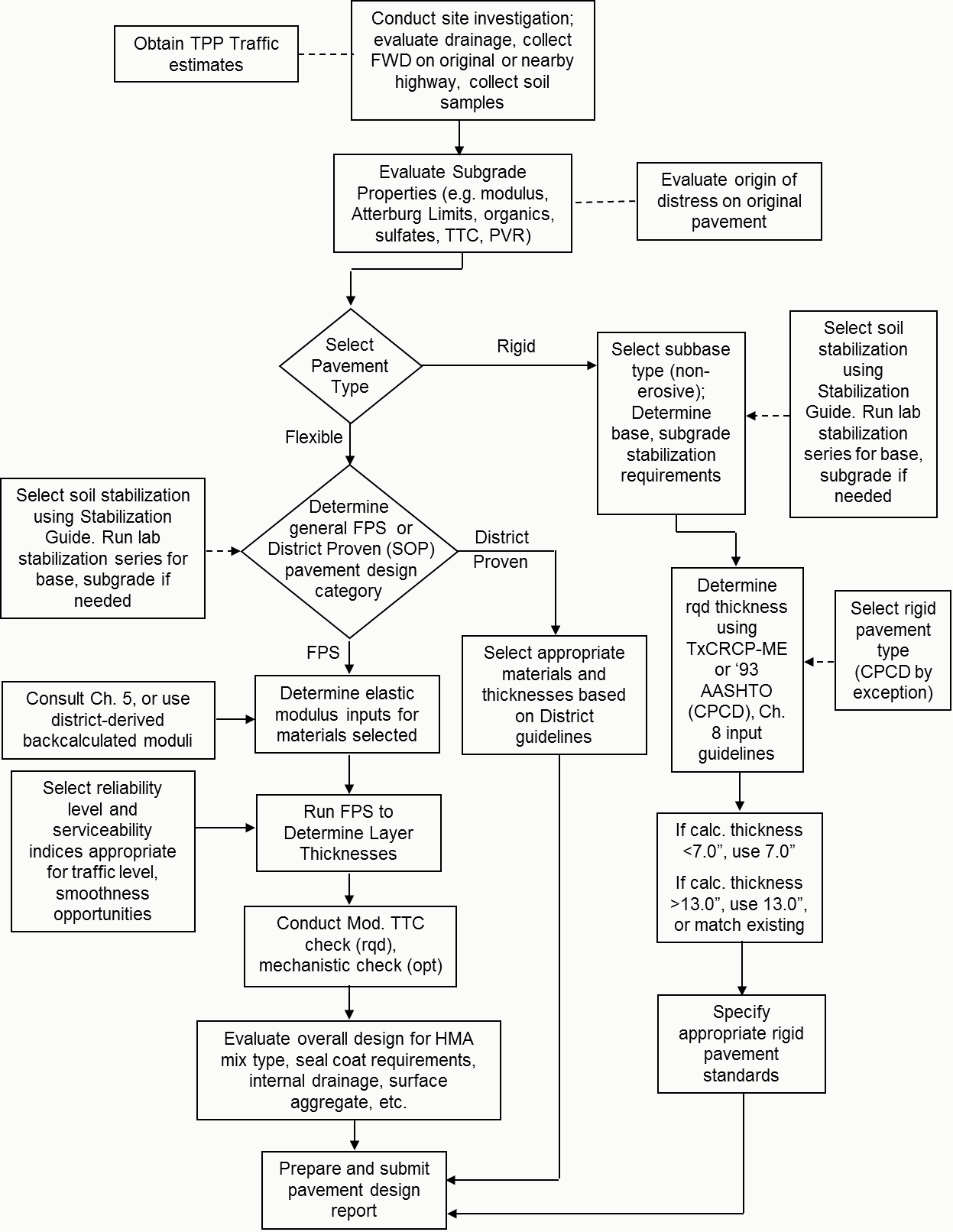
Figure 2-8. Design process for a new pavement/full reconstruction.
Pavement Rehabilitation Design
. Pavement rehabilitation design assumes there is an existing pavement structure along the project route. The vertical and/or horizontal alignment will not change significantly. Also, it is assumed the existing pavement structure possesses a degree of remaining life. More information can be found in the Flexible and Rigid Pavement Rehabilitation Training Courses available on the Maintenance Division website under the link. Refer to in Chapter 1, “Introduction,” for more information.Figure 2-9 and Figure 2-10 provide flow charts for flexible and rigid pavement rehabilitation design, respectively.
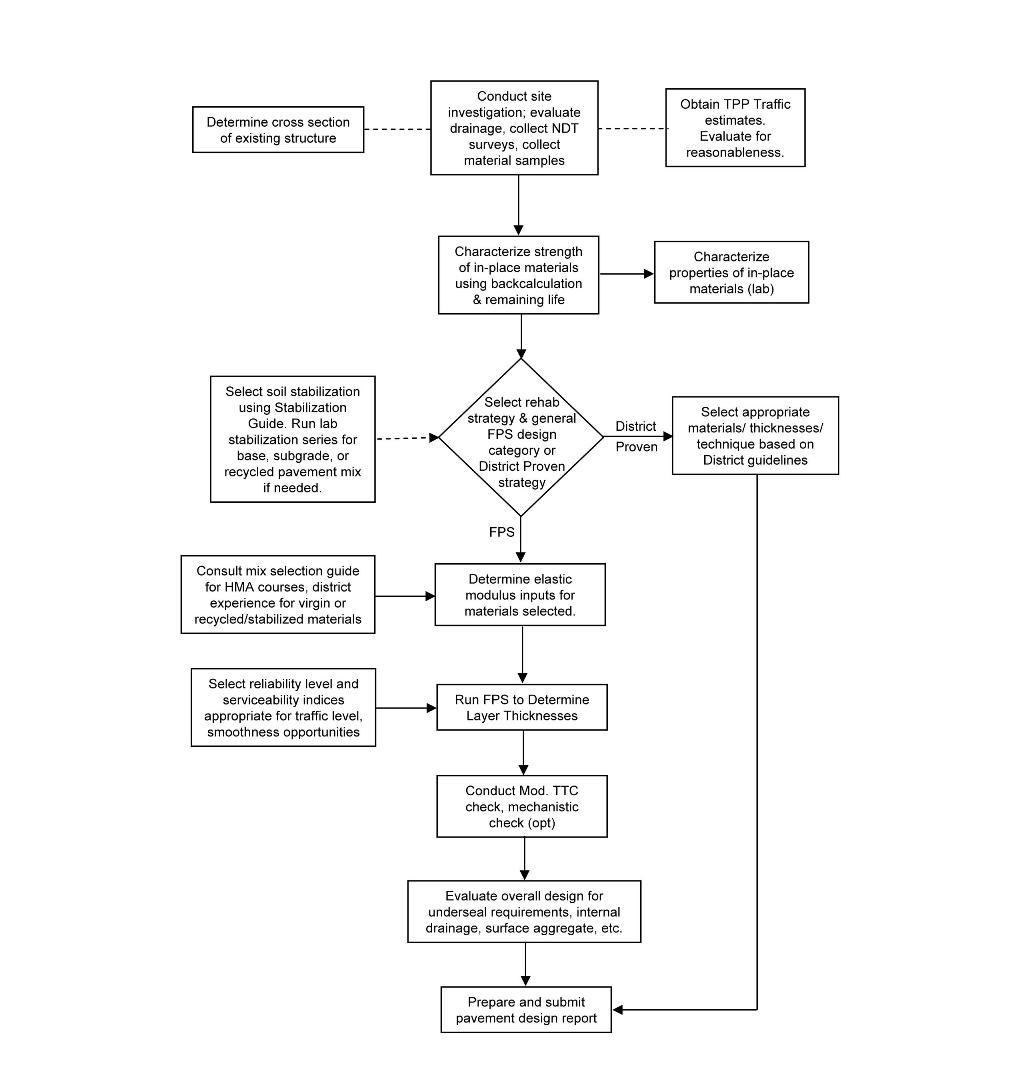
Figure 2-9. Design process for flexible pavement rehabilitation.
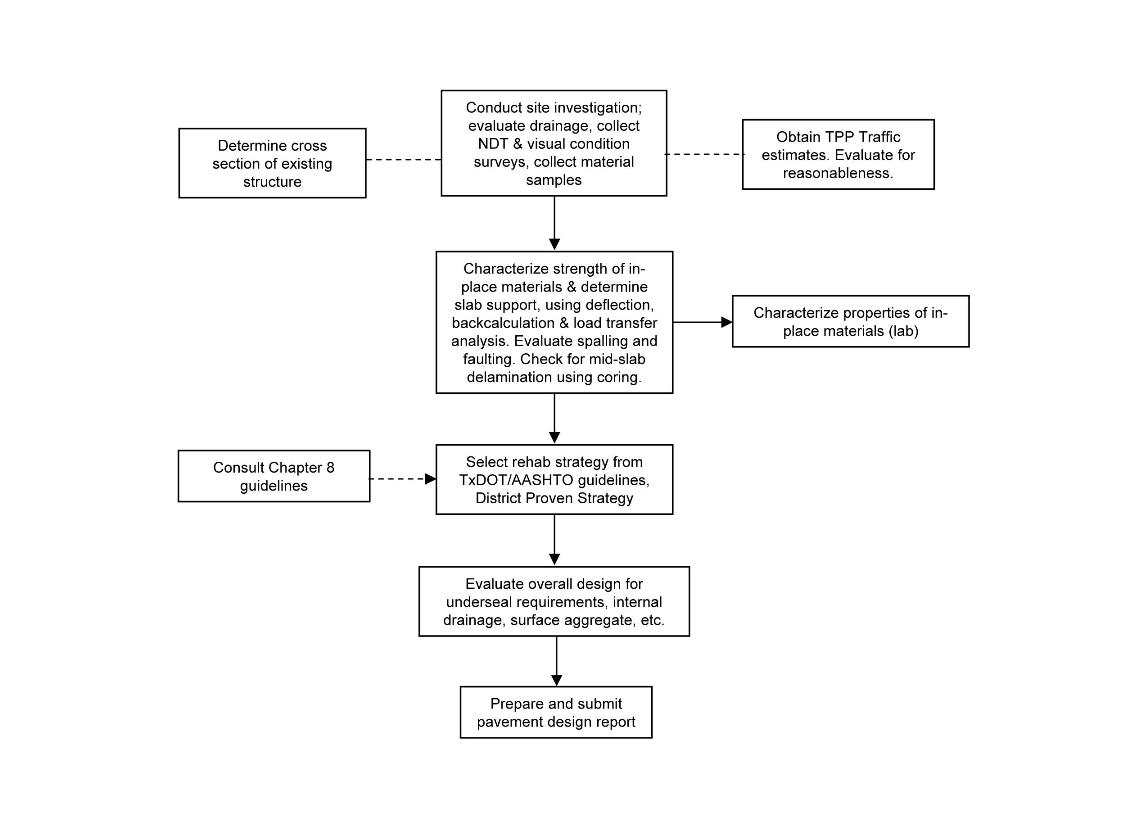
Figure 2-10. Design process for rigid pavement rehabilitation.
Pavement Preservation Design.
Pavement preservation is planned and performed to improve or sustain the condition of pavements. Preservation activities generally do not add capacity or structural value but restore the overall condition of pavements. No pavement structural design is required for pavement preservation projects. Examples of preservation projects could include but not limit to seal coat, thin ACP overlays 2” thick or less, mill and inlay 2” thick or less, hot-in-place recycling, microsurfacing/slurry seal, scrub seal, half depth repair/full depth repair, diamond grinding and grooving, joint and/or crack sealing, and slab replacement.