Illumination outage remote monitoring
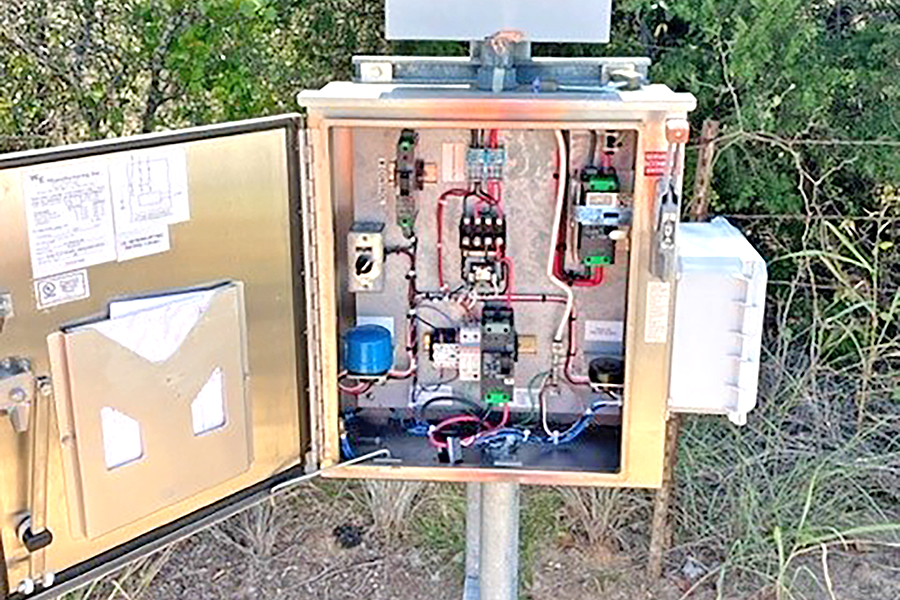
Remote monitoring of roadway illumination alerts TxDOT districts when luminaires are non-functional or the entire circuit is down. This enables a prompt response to quickly repair outages and improves safety by significantly increasing active lighting uptime. Remote monitoring is a significant improvement over the traditional reliance on monthly night rides or calls from the public.
Explore TxDOT's Innovation CatalogChallenge
The Fort Worth District faced frequent roadway lighting outages, creating safety risks for the traveling public. Traditional methods for identifying outages relied on periodic night inspections or public reporting, resulting in delayed detection and response. The traditional approach required substantial travel time to identify the cause of an outage, and sometimes a second trip to complete repairs, making it difficult to maintain consistent lighting conditions. Without real-time visibility into system status, the district struggled to respond quickly, increasing operational costs and limiting workforce efficiency.
Solution
The district implemented a remote monitoring system that improves safety, detection speed, and operational efficiency. The system measures voltage levels on illumination circuits to identify outages in real time, eliminating reliance on manual inspections. When voltage drops below a defined threshold, automated alerts are sent to maintenance crews with details on whether individual lights or entire circuits are affected, enabling faster and more targeted response. This approach reduces maintenance costs and resource demands while improving workforce productivity. The system can also be paired with camera verification to confirm root causes, such as equipment failure or theft, further enhancing response accuracy and infrastructure oversight.
Benefits
- Improves roadway lighting reliability and public safety
- Enables faster detection and response to outages
- Reduces maintenance and repair costs
- Decreases need for time-intensive field inspections
- Increases maintenance crew time efficiency
- Improves overall system uptime and operational performance
Additional key information
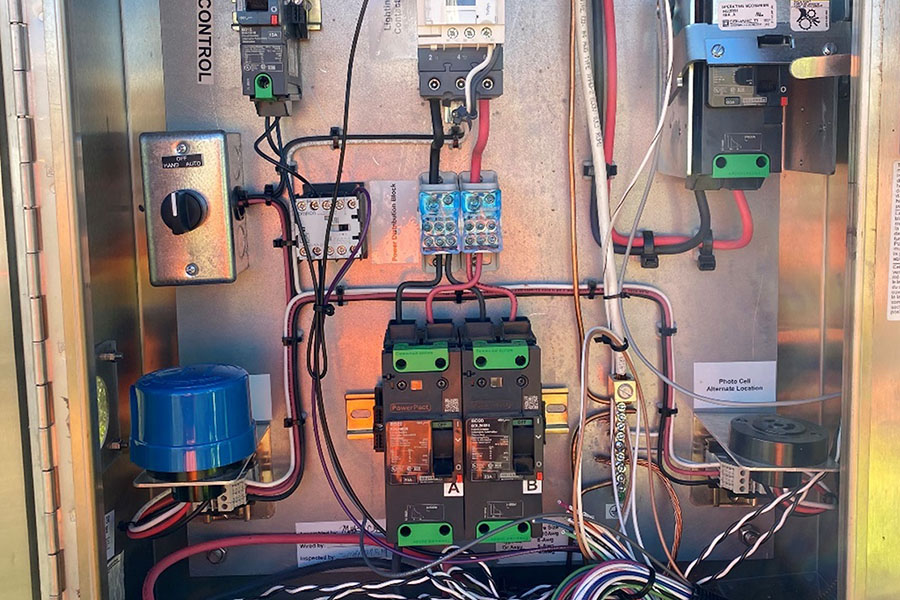
- Remote monitoring to detect illumination system performance and outages
- Automated alerts for maintenance personnel
- Ability to identify circuit-level and individual light failures
- Integration with camera systems for visual verification
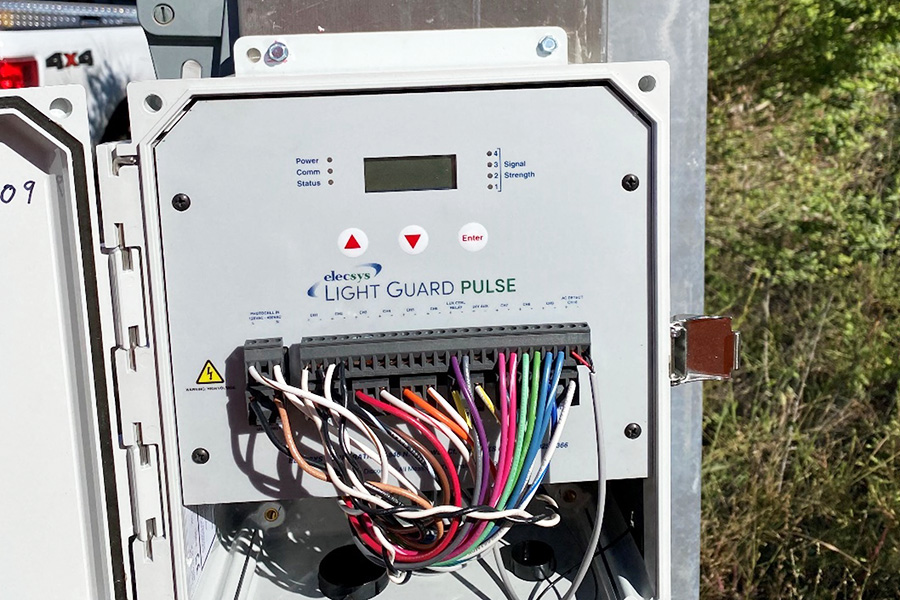
- Developed initial prototype
- Partnered with external vendor to develop commercially available product
- Installed system using existing infrastructure without major upgrades
- Used traffic management center cameras for visual confirmation
- Tracked performance, system-generated alerts, and monitoring data

- Can be deployed across other districts and roadway systems
- Adaptable to existing illumination infrastructure
- Supports broader use of remote monitoring for asset management
Alignment with TxDOT strategic goals



Implementation steps
- Identify and evaluate existing roadway illumination system (i.e., size, location, etc.).
- Evaluate options for system remote monitoring (i.e., hardware, ease of installation, software, cost, etc.).
- Determine the option that is most applicable, based on system size, location, and district needs.
- Monitor performance of the remote monitoring system.